
Potential Hazards
Preventing “OOPS” on The Trail
An OOPS can happen at any time on the trail. Something as simple as forgetting to bring your water and staying properly hydrated, to having an accident with a tool that requires medical attention. Both are hazards that with the proper planning we can reduce the risk of them occurring.
A friend once told me of a time he had an OOPS on the trail. He was using a digging tool to loosen some dirt near a trail when he disturbed a yellow jacket nest in the ground. Needless to say, he was on the receiving end of a few nasty stings, and was grateful that he wasn’t allergic or things could have been worse.
This example could easily be classified as an observable or potential hazard. If my friend had noticed that yellow jackets were flying around, making them observable, he might have avoided working in that area. On the other hand if the yellow jackets were dormant until disturbed, I would have labeled this as a potential hazard.
Similar to the OHLEC (Objective, Hazards, Log Analysis, Escape Plan, Cut Plan) acronym that is popularly used in chainsaw use safety training programs, an easy way to prevent an OOPS on the trail is to use the word itself as a reminder.
| Objective |
|
| Observable Hazards |
|
| Potential Hazards |
|
| Safe Execution |
|
Other Hazards
Other hazards you may encounter include exposure to poison ivy, poison oak, poison sumac, venomous snakes, stinging insects, dehydration, hypothermia, or heat exhaustion. Remember, you are a volunteer, and no job you do is so important that you should risk your health or safety. Take a break when you need one and call it a day if conditions deteriorate.
Other than the environment that you are working in, your tools pose the greatest threat to the personal safety of yourself and those around you. The “Blood Bubble” is a great way to remember to be mindful of this when swinging a tool, as these tools extend the reach of your person. The below illustration demonstrates how anyone standing within your blood bubble is at risk of getting hurt, and vise versa.

An illustration of the blood bubble or swing radius of a tool.
Ticks & Poison Ivy
Some of the far most common and far most annoying to deal with hazards on the trail are ticks and poison ivy. Dawning the appropriate attire and PPE is the best way to proactively combat these hazards. Equally important, you should know what ticks are most prevalent in your area and what to do should you find one on your body. Learning to identify poison ivy is also a great way to limit your exposure in the first place.
-
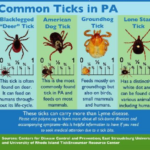
- Common ticks in PA according to the Centers for Disease Control and Prevention, East Stroudsburg University, and University of Rhode Island Tick Encounter Resource Center.
-
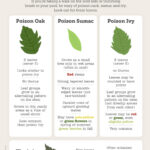
- Basic poison ivy guide. Source: Vanderbilt University.
Key Takeaways
- Use the OOPS checklist before you start working
- Err on the side of caution. If you’re not sure of the safety of an activity, call it off.